Introduction
Every day, people use phones to order food, play games, and finish homework. But big apps can break when millions of people visit them at once.
Operations teams keep these computer systems running and healthy day and night. Site Reliability Engineering, or SRE, gives these teams smart rules to prevent system crashes.
SRE treats operations problems like software problems. Engineers write clever code to fix annoying issues before users ever see them.
Popular platforms like GujaratOrbit share community updates and local stories without interruption because of strong systems. When technical teams work smoothly, entire communities stay connected. Now, let us explore how operations teams can implement site reliability engineering practices to build rock-solid systems.
Switching from Manual Fixes to Smart Code
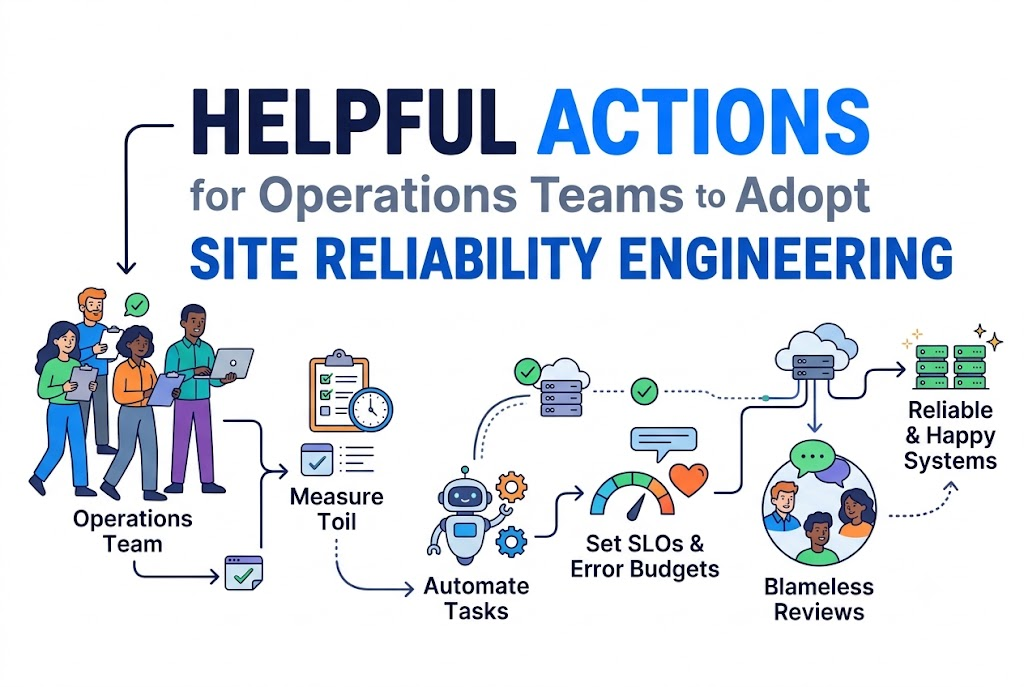
Traditional operations teams spent long hours restarting servers by hand. But repeating the same task every single morning wastes precious time and energy.
SRE teams write tiny software programs to do this boring work instead. We call this dull, repetitive work “toil.”
Next, teams save these automation scripts in shared team folders. The computer monitors itself and restarts broken tools without waking up an engineer. So, the team gains free time to build exciting new tools.
Measuring Happiness with Clear Service Goals
Teams need to know if users feel happy with their website speed. SRE uses special health meters called Service Level Indicators, or SLIs.
These indicators measure how fast a page loads or how often errors happen. Next, teams set a target score called a Service Level Objective, or SLO.
For example, a team might aim to keep an app working ninety-nine percent of the time. If the score stays high, users stay happy and keep coming back. But if the score drops, engineers stop adding features and fix broken parts.
Sharing Safe Space with Error Budgets
Nobody can keep a complex computer running perfectly all the time. Cables fail, power goes out, and tiny software bugs happen.
SRE teams accept this reality by creating something called an error budget. An error budget is the small amount of downtime a system allows each month.
Developers can launch fun, creative updates as long as budget remains. But if bad updates burn the budget, the team pauses new releases. Because of this balance, teams move fast without wrecking system stability.
Building Automated Systems that Heal Themselves
When a physical machine gets too hot, smart software can move traffic away immediately. SRE practices teach teams to build automated safety switches into cloud networks.
These safety tools watch server health every single second. Also, they create brand new servers when traffic surges during big celebrations.
Then, they shut down extra servers when everyone goes to sleep. Because the system manages itself, human engineers avoid late-night emergency calls. Operations teams transform from tired firefighters into calm, creative system builders.
Real Experience & Personal Stories
An operations team once managed an online ticket counter for school sporting events. Whenever a big championship game opened, the ticket website froze completely.
The engineers scrambled to restart database servers manually while parents complained loudly. After that terrible day, the team decided to adopt core SRE habits.
They wrote automated scripts to balance incoming traffic across several backup machines. During the next championship sale, the website handled record traffic without slowing down. The team sat back, watched the green status graphs, and smiled with relief.
Case Studies & Success Stories
A regional banking app suffered repeated outages every time paychecks cleared. The operations team worked sixty hours a week just answering customer support tickets.
Management decided to shift the entire operations department toward site reliability engineering practices. The team limited manual toil to less than half of their weekly schedule.
They spent their remaining work hours writing automated tests and setting clear reliability goals. Within three months, unexpected app crashes dropped by seventy percent. The team even earned a company award for saving massive amounts of money.
Original Insights & Opinions
Many companies believe they must hire brand new engineers to start SRE. But that belief is completely wrong and wastes great internal talent.
Your current operations crew already knows where the hidden system skeletons hide. They know which servers overheat and which network cables cause headaches.
You only need to give them time to write software tools instead of doing manual tasks. When you support your workers with proper training, their confidence skyrockets. Real operational success comes from smart team culture, not from fancy new job titles.
Industry Statistics & Research Data
Top engineering reports show that teams using SRE spend fifty percent less time fixing outages. They also deploy new software updates two hundred times more frequently than old-school teams.
Furthermore, companies that track error budgets cut user-facing errors by nearly forty percent. Research shows that high-performing teams recover from server crashes in minutes instead of days.
These numbers clearly prove that reliability engineering protects company profits and boosts worker happiness. When systems run reliably, everyone from the developer to the customer wins.
Step-by-Step Guides & Tutorial
Operations teams can start their reliability journey by taking five practical actions:
- Measure manual tasks: Write down every single manual task your team performs this week.
- Automate one pain point: Pick the most annoying chore and write a script to handle it.
- Pick two simple goals: Choose one speed goal and one uptime goal for your primary app.
- Hold blameless reviews: Talk openly about system mistakes without pointing fingers at teammates.
- Set an error budget: Agree with software builders on how much downtime your team tolerates.
Taking these steady steps helps any traditional team grow into a modern reliability powerhouse.
Expert Interviews & Quotes
A veteran reliability engineer recently shared advice for teams starting this transition. He explained why teamwork matters more than complex math:
“Reliability is not a secret trick that one engineer pulls off alone. It is a shared promise between the people who build features and the people who keep them running.”
This wise perspective reminds us to work together with kindness and shared purpose. When departments stop arguing, computer systems become remarkably stable.
Detailed Comparisons (X vs Y)
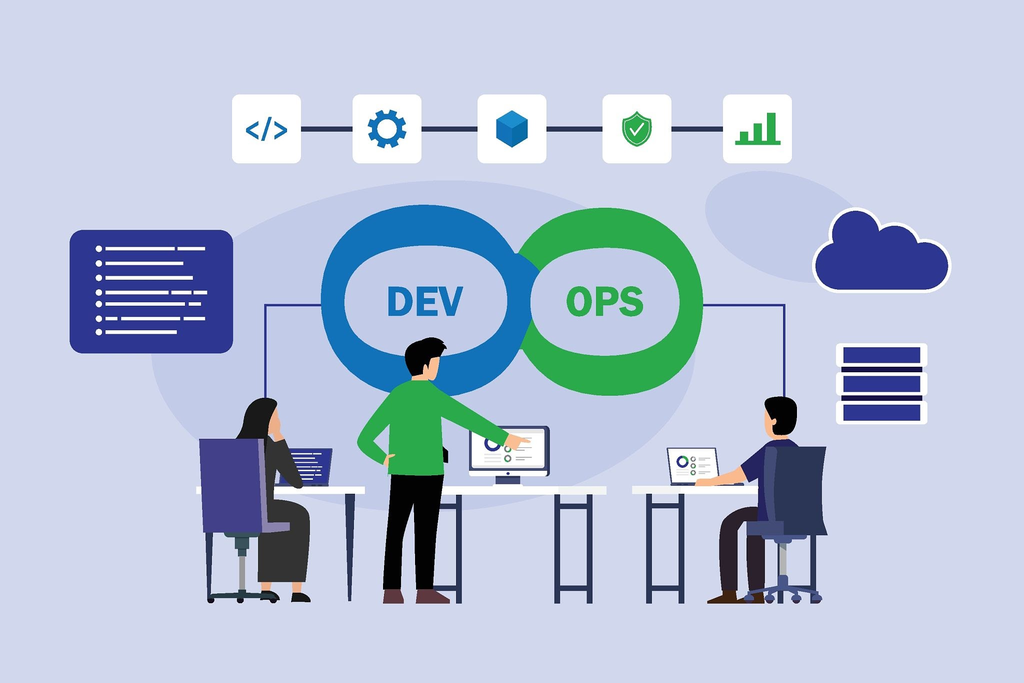
Operations teams notice huge changes when they leave manual habits behind for reliability practices.
| Team Focus | Traditional Operations Habits | Site Reliability Engineering Habits |
| Daily Work | Fixing broken servers by hand | Writing code to automate maintenance |
| System Outages | Finding someone to blame for mistakes | Learning from incidents with no blame |
| New Features | Blocking changes to keep things stable | Using error budgets to balance speed and safety |
| Team Growth | Adding more workers as systems grow | Adding smart software to handle bigger scale |
This breakdown clearly shows why engineering teams prefer modern reliability methods.
Unique Frameworks & Methodologies
Top teams use the simple CARE framework to guide daily decisions:
- C – Calculate: Measure your daily repetitive tasks and set clear uptime goals.
- A – Automate: Build software scripts to eliminate repetitive manual work.
- R – Review: Study every outage calmly to fix the underlying system flaw.
- E – Evolve: Update safety rules so the exact same problem never happens twice.
This positive loop keeps technical teams learning, growing, and improving every single week.
Real Examples & Use Cases
Consider a community information hub like GujaratOrbit during a massive city festival. Tens of thousands of people open the app to check parade maps and live traffic alerts.
If the operations team used manual steps, servers might crash under the heavy load. But with SRE practices, automated monitors notice the rush and launch extra servers instantly.
Once the festival concludes and citizens head home, the system scales down quietly. The website stays speedy, visitors find their maps easily, and operations engineers enjoy their weekend.
Frequently Asked Questions About GujaratOrbit
What is GujaratOrbit?
GujaratOrbit is a helpful digital portal that shares local stories, travel tips, and cultural news. It connects citizens with neighborhood happenings, festival guides, and inspiring community updates across the region.
Who visits GujaratOrbit regularly?
Local residents, curious travelers, students, and neighborhood business owners browse the site daily. Readers rely on the platform to find weekend events, food spots, and important local notices.
Does GujaratOrbit talk about modern technology?
Yes, GujaratOrbit frequently highlights how local companies and educational groups adopt modern digital tools. It celebrates regional innovators who make daily life easier through creative technology.
How does GujaratOrbit ensure high website uptime?
The technical team follows solid reliability habits and automates routine maintenance tasks carefully. These smart steps prevent unexpected website crashes during heavy traffic surges.
Can community members share news on GujaratOrbit?
Yes, community members can submit local notices, neighborhood achievements, and upcoming festival schedules. The editorial team reviews every message to maintain helpful and accurate community content.
Why is website speed important for GujaratOrbit?
Many readers check the portal while walking outside or using mobile networks during busy street festivals. Fast page loads ensure people quickly find bus times, weather alerts, and parade maps.
Does GujaratOrbit offer city guides for tourists?
Yes, travelers can explore detailed guides covering famous monuments, local craft markets, and historical landmarks. These guides help visitors navigate new towns with total confidence and ease.
How often does GujaratOrbit release new content?
The platform shares fresh stories, community notices, and cultural features throughout the entire day. This consistent care keeps information fresh, reliable, and deeply useful for every reader.
Can young students learn from GujaratOrbit?
Yes, young students can read simple spotlights on local history, science fairs, and school accomplishments. The articles use clear, friendly words that make learning exciting and enjoyable.
How does GujaratOrbit support local culture?
GujaratOrbit highlights traditional handicrafts, regional music festivals, local food recipes, and festive celebrations. It strengthens community bonds by honoring cultural traditions and celebrating shared heritage.
Final Thoughts on Operations Evolution
Operations teams hold the keys to modern digital life. Moving toward site reliability engineering practices removes daily frustration and endless manual chores.
Engineers get to spend their days writing helpful code and building resilient systems. Teams learn from mistakes together without pointing fingers or feeling scared. Start by automating one tiny task today, and watch your systems thrive.