Introduction
Modern logistics networks face unprecedented disruptions, demanding smarter tools for everyday management. Consequently, organizations struggle to sync disconnected software, leading to massive operational delays. To solve this critical bottleneck, enterprise leaders require a unified approach to handle complex data streams. SCMGalaxy OS emerges as a robust framework designed to unify disparate vendor ecosystems effortlessly. Therefore, integrating this software ensures that managers gain total clarity over fulfillment pipelines instantly. Transitioning to a structured digital ecosystem empowers your teams to eliminate costly manual errors. Ultimately, implementing this solution helps businesses sustain peak efficiency even during volatile market shifts.
What SCMGalaxy OS Actually Means in a Supply Chain Context
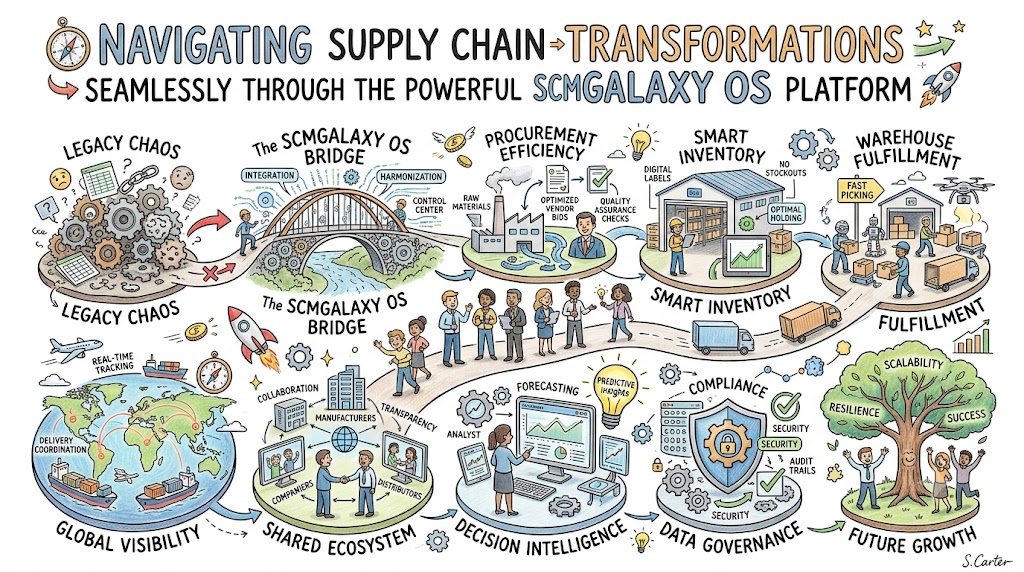
Understanding this architecture requires moving away from traditional standalone software definitions completely. Instead, think of it as a centralized nerve center that connects separate application layers seamlessly. Because it acts like a foundational infrastructure, it translates disparate data formats into unified insights. Furthermore, the platform standardizes communication protocols across procurement, warehousing, and transportation management systems globally. This structural alignment allows different departments to collaborate without facing typical technical barriers. As a result, teams experience a major reduction in information silos across enterprise boundaries.
This operational environment functions precisely like a computer operating system for logistics networks. Specifically, it manages resource allocation, Schedules background tasks, and executes automated data workflows continuously. By doing so, the software removes the need for expensive custom middle-ware configurations. Consequently, system administrators can deploy new functional modules without disrupting existing operational procedures. This flexibility ensures that daily business routines remain steady while upgrade cycles progress. Therefore, adopting this digital ecosystem establishes a flexible foundation for long-term corporate growth.
Why Modern Supply Chains Need an Operating System Approach
Traditional supply chain setups rely heavily on fragmented legacy tools that rarely communicate effectively. Consequently, manual data entry becomes necessary, which increases the likelihood of human error significantly. When market demands shift suddenly, these rigid architectures fail to adapt quickly enough. Therefore, businesses face severe inventory imbalances, missed shipping deadlines, and unhappy corporate clients. Moving away from these outdated methods requires an interconnected software environment built for speed. An operating system approach addresses these specific challenges by providing native compatibility.
Moreover, real-time data processing has transformed from a premium advantage into an absolute necessity. If your logistics team relies on batch processing updates, you always operate on outdated information. By contrast, an operating system layer continuously captures event triggers from every active node. This immediate visibility allows operational leaders to make proactive adjustments before minor delays become major crises. Transitioning to this modern framework helps companies build resilience against unpredictable global logistics challenges.
Core Problems SCMGalaxy OS Is Built to Solve
Communication gaps between external suppliers and internal warehouse management tools frequently disrupt fulfillment schedules. Fortunately, this platform directly addresses these friction points by synchronizing multi-channel data streams automatically. When a vendor updates a component delivery date, the information updates across all dashboards instantly. Consequently, production schedulers can adjust assembly timelines immediately without waiting for daily email updates. This level of automation solves the persistent problem of operational blind spots in corporate planning.
Another major challenge involves the high cost of maintaining fragmented custom software integrations. Typically, IT teams spend excessive time patching APIs between different inventory and shipping tools. This system eliminates that technical debt by offering a standardized data exchange layer naturally. Because the framework handles data transformation internally, software maintenance costs drop dramatically over time. This allow corporate technology teams to focus on strategic innovation rather than continuous bug fixing.
Key Capabilities That Make SCMGalaxy OS Useful
Deep visibility across multiple enterprise software systems stands out as a foundational feature of this platform. Specifically, the software aggregates data from diverse enterprise resource planning tools into a single view. This unified visibility ensures that stakeholders access identical information during critical decision-making moments. Furthermore, the built-in analytics engine provides predictive alerts regarding potential shipping bottlenecks ahead. Armed with this knowledge, logistics coordinators can reroute shipments to avoid costly port delays.
Additionally, automated workflow orchestration empowers users to design complex operational rules without writing code. For instance, you can configure the system to reorder stock automatically when inventory drops. The system handles these tasks based on real-time demand patterns rather than static rules. Moreover, user-friendly dashboards present these automated processes clearly for non-technical managers to review. This accessibility bridges the gap between complex data science and daily operational execution perfectly.
How SCMGalaxy OS Can Improve Procurement Operations
Procurement departments often struggle with long purchase order lifecycle times and slow vendor validation steps. However, implementing this centralized system streamlines the entire purchasing journey from request to final payment. By automating routine order confirmation tracking, purchasing agents save hours of tedious manual follow-up work. Consequently, strategic buyers can focus their energy on negotiating better contract terms with key vendors. This shift from administrative tasks to strategic planning delivers measurable financial value.
| Procurement Role | Key Impact Area | Operational Benefit |
| Sourcing Managers | Vendor Onboarding | Reduces validation cycles by automating background document checks. |
| Purchasing Agents | Order Lifecycle | Eliminates manual tracking by sending automated status alerts. |
| Compliance Officers | Contract Alignment | Guarantees compliance by cross-checking invoices with active agreements. |
Furthermore, historical vendor performance data is compiled automatically within the system to assist future selection. This means procurement leaders can evaluate supplier reliability using hard metrics rather than subjective opinions. Consequently, contract renewals become data-driven decisions that minimize supply side risks over time. The platform also flags price discrepancies instantly, preventing overpayments before invoices clear financial accounts.
How SCMGalaxy OS Supports Inventory Visibility and Control
Excess safety stock ties up valuable working capital and increases warehouse storage fees significantly. Conversely, stockouts lead to cancelled client orders and damaged brand reputations in competitive markets. This operating system resolves this balance by tracking inventory positions across all locations simultaneously. Whether inventory sits in transit, a central warehouse, or a retail store, tracking remains accurate. Therefore, inventory planners can maintain optimal stock levels based on precise real-time sell-through data.
[In-Transit Stock] ------> \
[Central Warehouse] ----->  [SCMGalaxy OS Engine] ----> [Real-Time Inventory Dashboard]
[Retail Stores] ---------> /
Moreover, the platform utilizes advanced demand forecasting algorithms to project future inventory requirements accurately. By analyzing historical order trends alongside current market indicators, the system suggests precise replenishment orders. This proactive optimization reduces obsolete stock write-downs while keeping customer fulfillment rates high. Consequently, businesses achieve faster inventory turnover cycles and enjoy improved cash flow metrics across departments.
Strengthening Warehouse and Fulfillment Workflows with SCMGalaxy OS
Warehouse bottlenecks frequently occur when picking teams receive inaccurate directions from disconnected software systems. However, this platform optimizes daily warehouse floor operations by scheduling tasks intelligently based on layout. The system assigns picking routes dynamically, minimizing travel time across aisles for warehouse personnel. As a result, order fulfillment speeds increase markedly without requiring additional material handling staff. This productivity boost directly lowers the overall cost per order filled.
- Dynamic Bin Allocation: Maximizes storage density by calculating optimal locations for incoming inventory.
- Intelligent Batch Picking: Groups similar orders together to minimize travel distances for warehouse teams.
- Real-Time Put-Away Directions: Directs forklift operators to open storage slots instantly, reducing dock delays.
Additionally, real-time integration with shipping carriers accelerates the packing and labeling process for outbound orders. The system generates correct shipping manifests and tracking numbers automatically as soon as boxes clear scales. Consequently, shipping docks remain clear of clutter, and delivery vehicles depart strictly according to schedule. This tight synchronization minimizes transit delays and ensures customers receive accurate tracking details immediately.
Better Supplier Coordination Through a Shared Operational System
Miscommunications with external suppliers represent a primary cause of production delays in manufacturing sectors. This operating system mitigates this risk by creating a shared digital workspace for external partners. Suppliers log into a secure portal to view production schedules, material requirements, and shipment updates. Consequently, phone calls and messy email chains regarding order status disappear from daily routines. This transparency fosters accountability and builds stronger long-term partnerships with critical vendors.
Furthermore, automated quality control documentation ensures that incoming parts meet engineering specifications before arriving. Suppliers upload inspection certificates directly into the platform, triggering automated verification workflows instantly. If a document fails compliance checks, the system flags the issue before components leave the supplier’s dock. This early detection saves significant time and prevents defective materials from disrupting assembly lines later.
Logistics Visibility and Delivery Coordination Become Easier
Tracking shipments across different freight forwarders, ocean liners, and local couriers presents massive logistical hurdles. Fortunately, this platform integrates diverse carrier tracking feeds into a single, cohesive monitoring dashboard. Logistics managers no longer need to check multiple carrier websites to locate critical inbound shipments. Instead, they view every active transit leg within a single interface, saving valuable time. This centralized tracking simplifies complex international logistics operations significantly for expanding global enterprises.
Moreover, the system calculates estimated arrival times dynamically by analyzing weather data and port congestion trends. If a delay appears likely, the system alerts logistics coordinators to adjust land transportation schedules. This proactive planning prevents truck drivers from waiting at docks for delayed ocean containers. Ultimately, reducing detention fees saves substantial operational capital and improves overall fleet utilization rates.
Targeted Value Across Engineering Personas
Implementing a modern enterprise platform requires active support from multiple specialized technical teams within the organization. Fortunately, this operating system delivers clear, targeted value that directly addresses the unique challenges of diverse engineering roles.
- DevOps Engineers: Benefit from automated deployment scripts, containerized microservices, and standardized infrastructure templates that simplify environment scaling.
- Data Engineers: Leverage clean pipeline architectures, native data transformations, and high-throughput streaming tools to process information efficiently.
- Security Engineers: Rely on continuous compliance auditing, automated vulnerability scanning, and centralized access controls to protect sensitive enterprise data.
Evaluating the Ten Critical Governance Domains
- Identity and Access Management: Restricts system access using granular role-based permissions and multi-factor authentication tools.
- Data Encryption Standards: Protects sensitive financial and customer information using robust encryption protocols during transit and rest.
- Audit Logging and Tracking: Records every user action and automated workflow execution into permanent, unalterable log files.
- Regulatory Compliance Alignment: Aligns system workflows with international transport regulations and regional data privacy legislation automatically.
- System Availability Objectives: Guarantees consistent uptime through redundant cloud hosting environments and automated fail-over mechanisms.
- Disaster Recovery Protocols: Backs up critical operational data continuously to secure remote storage zones for fast recovery.
- API Management Policies: Secures third-party integrations using rate limiting, token authentication, and strict protocol validation rules.
- Change Management Frameworks: Validates software updates in isolated staging environments before deployment to production environments.
- Vendor Risk Assessment: Evaluates external partner security postures using built-in compliance checking dashboards continuously.
- Data Retention Architecture: Archives historical transaction data systematically to maintain high performance across active operational databases.
Why SCMGalaxy OS Matters for Decision-Making, Not Just Monitoring
Many traditional supply chain tools function merely as passive digital ledgers that record events after they occur. While historical records are valuable, they do not help managers prevent ongoing operational disruptions effectively. This operating system transforms operations by shifting focus from historical reporting to active decision-making support. By analyzing live data patterns, the platform provides actionable recommendations to optimize workflows dynamically.
For example, if a sudden demand surge occurs, the platform does not simply report a stock shortage. Instead, it analyzes available supplier capacities, shipping costs, and lead times to recommend optimal reorder paths. This capability allows operations leaders to make confident decisions in minutes rather than spending hours analyzing spreadsheets. Consequently, businesses become more agile, outmaneuvering competitors who rely on slow manual data analysis.
Who Can Benefit Most from SCMGalaxy OS
Large-scale manufacturing firms handling complex bills of materials find immense value in this highly structured system. The platform synchronizes component deliveries with daily production schedules, preventing costly factory floor shutdowns. Similarly, rapidly expanding e-commerce companies managing multiple fulfillment centers benefit greatly from centralized inventory control. The software automates order routing across locations, minimizing shipping costs and transit times for consumer orders.
- Enterprise Retailers: Streamline multi-channel distribution networks and manage complex supplier relationships effortlessly.
- Third-Party Logistics Providers: Optimize warehouse space utilization and coordinate diverse transportation fleets productively.
- Global Distributors: Manage complex international customs documentation and track long-haul freight movements accurately.
SCMGalaxy OS as a Practical Platform, Not Just a Promotional Idea
It is easy to view advanced supply chain frameworks as marketing hype rather than practical enterprise tools. However, this platform is engineered with concrete technical functionality designed to address real-world operational bottlenecks. The architecture relies on proven, stable technology stacks capable of handling millions of data events daily. Business teams can trust that the platform will perform reliably under intense peak operational periods.
Furthermore, field implementations show clear improvements in core business metrics like order accuracy and cycle times. These tangible results stem from removing manual intervention points where human errors typically happen. By automating routine data entry and validation steps, the software guarantees operational consistency across departments. This practical reliability makes the platform a solid investment for modern, data-driven enterprises.
What to Evaluate Before Adopting SCMGalaxy OS in Your Business
Before starting an implementation project, you must thoroughly evaluate your organization’s current data infrastructure maturity. If your current software tools lack modern API integration capabilities, you must plan for data cleaning first. Implementing an advanced operating system layer requires accessible, clean data feeds to deliver maximum strategic value. Therefore, auditing your existing technical infrastructure represents a vital first step toward a successful deployment.
Additionally, consider the cultural changes associated with introducing a highly automated operational platform to your staff. Team members accustomed to manual spreadsheets may require comprehensive training to trust automated system recommendations. Addressing these training needs early ensures smooth adoption and prevents internal resistance during rollout phases. A successful technology upgrade requires aligning both technical infrastructure and staff readiness simultaneously.
Best Practices for Getting Maximum Value from SCMGalaxy OS
- Standardize Data Formats Early: Clean all vendor and product master data before connecting external software systems.
- Phased Rollout Strategy: Deploy individual system modules incrementally rather than attempting a high-risk all-at-once launch.
- Establish Clear Ownership: Assign specific departmental champions to manage and optimize automated workflow rules continuously.
- Monitor API Performance: Track integration health metrics regularly to catch connection issues before they disrupt operations.
- Regular Training Sessions: Update staff on new platform features and optimization techniques to keep productivity high.
Frequently Asked Questions About SCMGalaxy OS
- How does SCMGalaxy OS connect with older legacy ERP systems?The platform utilizes flexible data transformation adapters to securely connect with older enterprise applications. These tools translate legacy file formats into modern data structures without requiring costly core software rewrites.
- Can this platform manage international shipping requirements?Yes, it handles multi-currency transactions, diverse language formats, and international customs documentation requirements natively. It automates compliance checks against global shipping regulations to prevent costly border clearance delays.
- What cybersecurity measures protect sensitive supplier information?The system employs enterprise-grade data encryption, rigorous identity validation controls, and continuous security monitoring tools. These protective measures ensure your proprietary operational data remains secure against unauthorized access.
- Does the software support automated inventory replenishment rules?Absolutely, managers can configure dynamic reorder thresholds based on changing lead times and seasonal demand trends. The system then generates purchase orders automatically for review, saving significant administrative effort.
- How long does a standard enterprise deployment project take?Implementation timelines depend on system complexity, but a phased rollout typically takes a few months. Starting with core inventory visibility allows organizations to achieve immediate value while configuring advanced features.
Final Thoughts
Embracing an operating system approach to logistics management represents a crucial strategic upgrade for modern enterprises. By breaking down data silos and automating workflows, companies protect their operations against unpredictable disruptions. This robust platform provides the concrete tools, real-time visibility, and governance frameworks required for sustainable success. Investing in a unified digital infrastructure prepares your organization to scale efficiently through shifting market conditions. Ultimately, prioritizing system connectivity ensures your supply chain remains a powerful competitive advantage for years to come.
One area worth adding is operational resilience beyond visibility. Supply chain platforms become critical systems once planning, inventory, and logistics depend on them, so rollback strategy, data synchronization during partner outages, and auditability of automated decisions matter just as much as feature depth.