Introduction
Think about a high-speed pit stop during a fun car race. Mechanics change tires in two seconds, add fuel, and wipe windshields cleanly.
Because every person knows their exact task, the speedy race car wins first place. Software engineering teams need that exact same rhythm to keep internet apps fast and healthy.
One programmer crafts a cool video button while another engineer powers up web servers. Smart technology firms connect these workers so that apps launch without nasty crashes.
Anyone can discover these teamwork secrets by exploring XOpsSchool.com on their home browser. You gain practical skills that turn rough code into smooth software everyone enjoys using.
What is XOps
Eager learners constantly ask one great question: What is XOps?
Envision a big umbrella that protects everyone standing underneath it during heavy rain. The letter X represents every single technology craft, from mobile games to thinking robot brains. The word Ops is short for operations, which simply means keeping machines online.
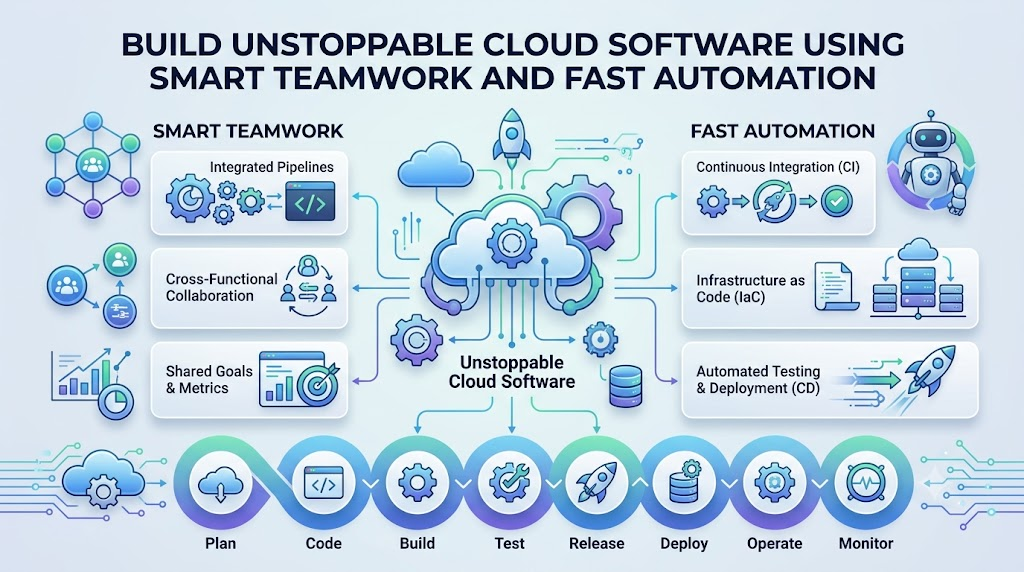
So, this fresh working style brings every technical team together under one roof. Coders, data trackers, and artificial intelligence builders sit side by side.
Projects race forward because helpful teammates share ideas instead of arguing behind office doors. You get to spend your morning making neat features instead of waiting on emails.
Modern Teams Need Fresh Collaboration Habits
Yesterday, programmers worked in dark corners like hidden puzzle builders who never shared clues. They finished their code, threw it across a tall brick wall, and left for home.
Naturally, those game files broke the moment real players downloaded them on tablets. Fixing those silly mistakes ate up weeks of stressful emergency meetings.
Today, smart squads use helpful digital tracks to test every single change automatically. Research studies reveal that connected teams repair computer glitches twenty times faster than old groups.
Because automation tests everything instantly, your favorite streaming videos never stutter on family game nights. These clever habits rescue engineers from dull, repetitive clicking forever.
The Four Pillars of Great Operations
Modern engineering relies on four main specialty squads to keep digital worlds humming smoothly.
Each team handles one critical mission so users stay thrilled:
| Specialist Squad | Main Responsibility | Everyday Tool | Core Superpower |
|---|---|---|---|
| DevOps | Pushes fresh software | Docker | Rapid delivery |
| DataOps | Cleans piles of information | Airflow | Pure facts |
| MLOps | Guides thinking brains | MLflow | Sharp answers |
| AIOps | Catches broken parts | Prometheus | Instant fixes |
Each squad hands off tasks cleanly without dropping the ball on the ground. Together, they protect internet networks around the clock.
DevOps Training
Software coders invent cool features using bright ideas and careful logic. But those clever files need sturdy cloud servers before players can load them.
Joining DevOps Training reveals how to move programs onto real servers safely. You set up digital assembly lines called pipelines that inspect your work for bugs.
Next, you pack your code into light boxes called containers. A container lets your game run on phones, laptops, or big server towers without changing code.
You also try neat scripts that build entire computer networks in just two seconds flat.
DataOps Training
Every internet click drops a tiny pebble of information onto digital piles. Soon, those piles become giant mountains of dusty, confusing records.
Through DataOps Training, you learn how to sort and wash those numbers quickly. You build smooth water pipes that filter out dirty records before bosses see them.
Because company leaders need honest facts to make good calls, spotless data saves millions of dollars. You build alert bells that ring loudly whenever corrupt files sneak into view.
This noble craft turns you into a trusted guardian of digital truth.
MLOps Training
Smart devices can recognize your face and answer your questions politely. An artificial brain learned those neat tricks by studying thousands of sample photos.
Enrolling in MLOps Training teaches you how to guide these thinking machines through daily life. You evaluate models before release so they offer correct help to real users.
Next, you place that brain inside phone apps and keep an eye on its memory speed. Sometimes artificial helpers become confused when they see brand-new images.
So, you build safety nets that retrain the model whenever its focus wanders.
AIOps Training
Huge web platforms depend on millions of computers humming in giant warehouses. Even an army of engineers cannot stare at every flickering screen at once.
Bright problem-solvers choose AIOps Training to fix this tough monitoring headache. You train smart digital robots to check machine health without taking lunch breaks.
These robots sniff out memory troubles long before any customer spots a frozen screen. For example, the helper bot discovers an overheating drive and restarts it quietly.
Because the bot fixes the issue right away, apps stay swift and developers sleep peacefully.
Real Success from an Online Bookstore
Consider a popular book reading app called PageFlipper. Every school semester, millions of students downloaded math textbooks at the exact same hour.
Their single server stack buckled under the huge rush of eager bookworms. Book pages froze completely, and unhappy students flooded support chats with panic messages.
Then, PageFlipper rewired its systems using smart, unified operations methods. Their engineers added auto-growing cloud machines, fast delivery tracks, and watchful health checkers.
The next semester, every single digital book opened in less than one second. That bright win proves the true power of connected teamwork.
Five Steps to Launch Your Tech Skills
Starting a new tech journey feels simple when you follow small, clear steps forward.
- Pick a beginner language: Type basic Python scripts that sort files inside your computer folders.
- Publish a tiny web page: Put a small photo page online for your family to visit.
- Automate simple chores: Write quick scripts that test your code before you shut your screen.
- Take an organized track: Choose an XOps Course to master tools with step-by-step guidance.
- Practice every weekend: Change settings, break your test programs on purpose, and mend them quickly.
Essential XOps Tools You Need to Know
Skilled builders treasure their favorite hammers, tape measures, and levels. In software land, special programs tackle the tough chores for us.
Following a practical XOps Tutorial allows you to test these famous programs yourself:
- Kubernetes: Steers thousands of software boxes across giant server rooms like an ocean captain.
- Terraform: Creates clouds, memory banks, and web connections using plain text files.
- Git: Remembers your project history so you can undo mistakes with one click.
- Grafana: Paints bright charts that show how fast your machines are running.
Practicing with these XOps Tools makes tricky technical puzzles feel like an exciting game.
Practical XOps Training
Nobody learns to swim by reading books on the sandy beach. You must jump into the refreshing pool and splash your arms.
Sensible XOps Training gives you safe digital sandboxes to explore on your own. You press real cloud buttons, trigger test scripts, and repair simulated breakdowns without fear.
Because you tackle actual bugs, errors no longer feel scary or strange.
Next, you build shiny demo projects that showcase your talent to future team leaders. This active practice builds strong habits and rock-solid confidence.
Earning Your XOps Certification
Once you build neat projects, you want to show your abilities to the world.
A recognized XOps Certification acts like a gold medal around your neck. It shows companies that you know how to build dependable systems without needing help.
Employers love hiring certified professionals because they solve nasty glitches without panicking. These talented builders save companies giant piles of cash and keep servers running.
So, finishing your badge opens great job doors across the globe.
Pro Tips from Industry Veterans
Experienced engineers always give the same advice to enthusiastic learners. Do not try to learn thirty complicated computer apps in one single week.
Instead, ask big questions and notice how parts connect across the wide internet. See how files move, how memories fill up, and how servers talk to each other.
Once you understand basic plumbing, mastering any new app takes just a couple of hours.
Follow your curiosity, build tiny projects every day, and enjoy every small discovery.
Frequently Asked Questions
Can newcomers pick up these operations tools without prior coding experience? Beginners can grasp these fundamentals quickly by building tiny test scripts and running basic automation tasks every day.
Why do modern companies love XOps so much? Companies love XOps because it breaks down walls between teams and delivers features much faster.
Which learning branch provides the easiest starting point? DevOps provides the best foundation before you dive into artificial brains or large data streams.
How much time should a student invest daily to master these skills? Setting aside sixty minutes each day builds solid, job-ready confidence within a few short months.
Final Thoughts
Giant cloud networks will keep running more parts of our daily lives every day. The tech world needs eager, thoughtful inventors to guide these powerful engines with care.
Start your journey right now by experimenting with simple scripts on your home laptop. Stop by XOpsSchool.com to discover easy lessons that match your learning pace.
Ask bold questions, practice your craft often, and create tools that make life easier for millions of people. Your grand tech voyage begins the moment you write your first command!